Insights Our Blog
Building a Security-First Culture and The Power of Three
Alltime Technologies Limited, Cyber Security Managed Services and Consultancy provider 310
310
310
310

 1200
627
310
310
1200
627
310
310

Written by
Simon bring more than 20 years of experience in cloud architecture, networking, infrastructure design. He holds a BSC in Physics from Lancaster University and a postgraduate Master's programme in Cloud Computing from Caltech CMTE as well as holds the globally respected CISSP certification. His academic and professional background spans Microsoft Azure, Amazon Web Services (AWS) and Google Cloud Platform (GCP), underpinned by a strong focus on AI, DevOps and Automation.
In today’s hybrid work environment, cybersecurity simply isn’t optional anymore, it’s essential.
Businesses must protect their data, systems, and people, all while enabling flexible working. A strong security culture is the backbone of this protection, and this simple “rule of three” approach can make it achievable.
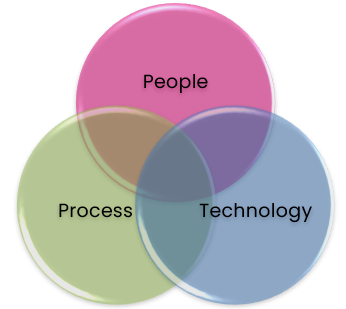
The “rule of three” is a practical framework for improving security without overwhelming your team. It focuses on three key areas:
1. People: Educate and empower employees to recognise threats and follow best practices.
2. Processes: Implement structured workflows and clear policies for security incidents.
3. Technology: Deploy the right tools to detect, prevent, and respond to cyber threats.
Cyber threats are no longer “occasional incidents”. They are relentless, a continuing bombardment that plagues us all, and can be extremely costly. According to the Cyber Security Breaches Survey 2025 (source).
When employees understand their role in cybersecurity, security becomes a shared responsibility, not just an IT problem we can:
Remote and hybrid work have permanently changed how we operate, and how we think about security. When employees connect from home networks or personal devices, the traditional corporate “perimeter” no longer exists.
To maintain protection without limiting flexibility, focus on three practical areas of action:
By embedding these habits into daily operations, businesses create a culture where security is a shared responsibility; this is not just a checklist.
Building a security-first culture requires leadership as much as technology. It starts from the top, with directors and managers modelling good practices and supporting teams to make security-conscious decisions.
The NCSC’s Growing Positive Security Cultures guidance highlights three key traits of successful organisations:
These principles help transform security from a compliance task into part of the company’s identity.
Security maturity isn’t achieved overnight, but small, consistent steps create lasting change. Start with three actions you can take today:
TIP: Microsoft are running a Be Cyber Smart campaign.
You can find out more here.
Here at Alltime Technologies, we help organisations turn these principles into practical improvements. Through delivering user awareness training, securing your Microsoft 365 tenant, and expertly assess your current situation through structured gap-analysis reviews, staff engagement, and alignment with recognised standards such as Cyber Essentials Plus.
A security-first culture isn’t built through technology alone – it’s built through people who understand its value. The “rule of three” keeps that goal achievable by focusing on the essentials: people, processes, and technology.
By adopting this mindset, businesses can create resilient teams, confident leaders, and systems that stay secure, wherever work happens.
And if you get stuck, just give us a call.
Sign up for our newsletter and get the latest cyber security industry news and views direct to your inbox.
Contact Alltime today to start your journey
Contact us